
Experiences & Area
Don Det and the 4000 Islands
Part 1 · The Region
The Area
The Region of the 4,000 Islands
The 4,000 Islands region (Lao: Si Phan Don) lies in Laos' southernmost province of Champasak, with the rapidly growing administrative and trading town of Pakse. The region is also known for coffee growing on the Bolaven Plateau and the famous Khmer temple of Wat Phu, once part of the Angkor Empire.
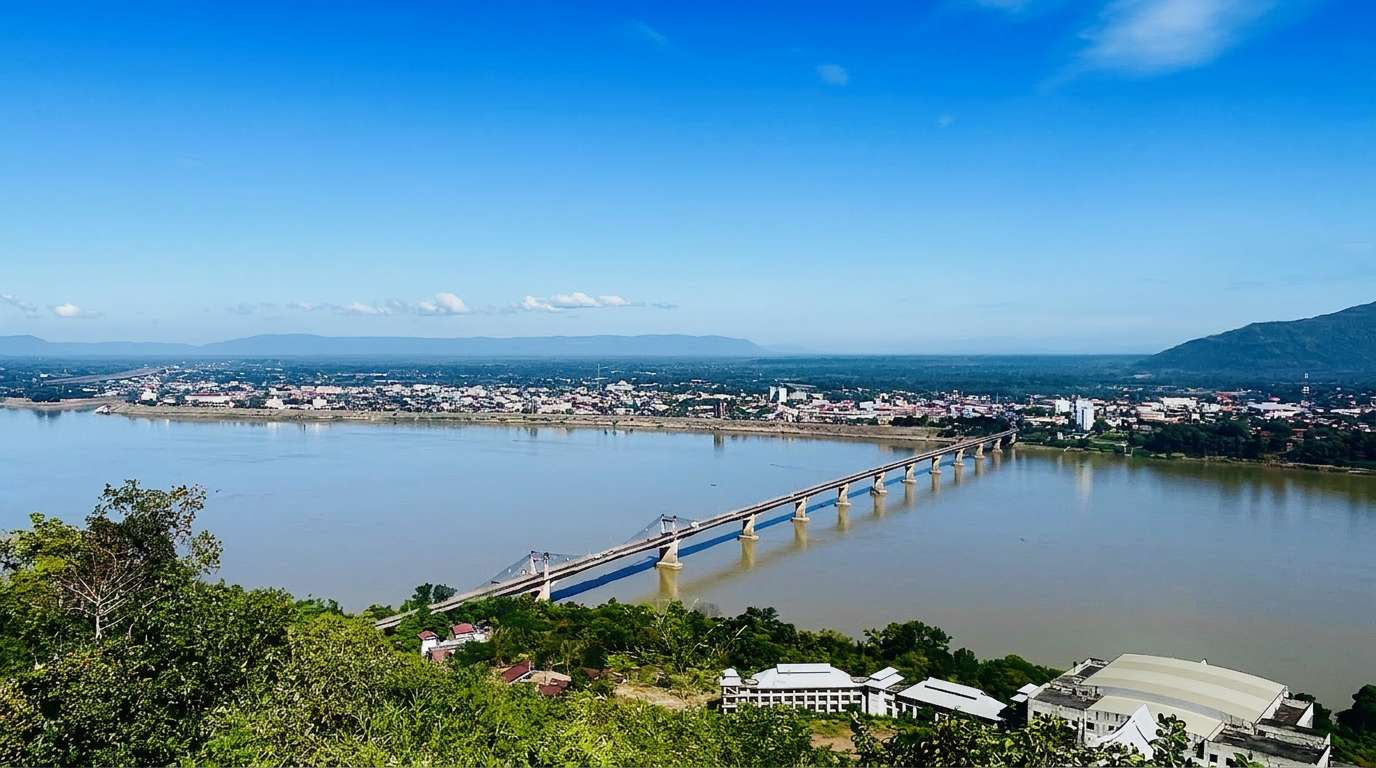
So far, mainly the islands of Don Khong, Don Khon and Don Det have been opened up for tourism. On the large island of Don Khong you will find the district administration of Khong as well as a hospital — the island is also connected to the mainland by a road bridge. In recent years, the first guesthouses and homestays have also opened on some of the smaller islands.
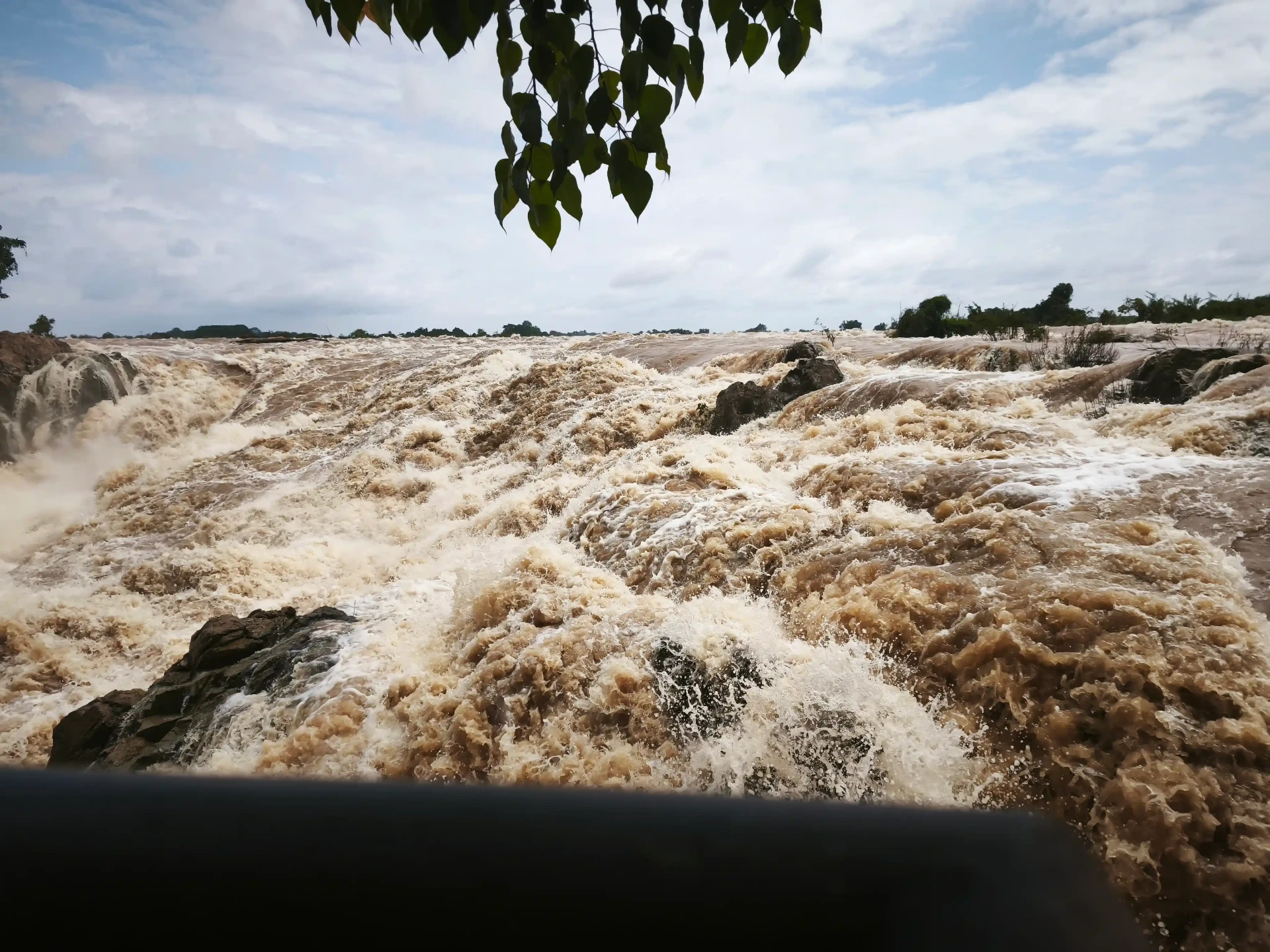
Anyone looking for traditional Lao life, tranquillity and relaxation far away from everyday stress, amid a unique river landscape, should visit the 4,000 Islands along the Lao-Cambodian border. Here the Mekong reaches its greatest extent, stretching 50 km in length and up to 14 km in width. It branches into countless small channels and, depending on season and water level, reveals hundreds of islands. In the north lies the largest island, Don Khong; the southern boundary is formed by the waterfalls of Somphamit and Khone Phapheng. Khone Phapheng is considered the largest waterfall in Southeast Asia — a trip there is well worth it (tip: avoid weekends, when it gets noticeably crowded with day-trippers).
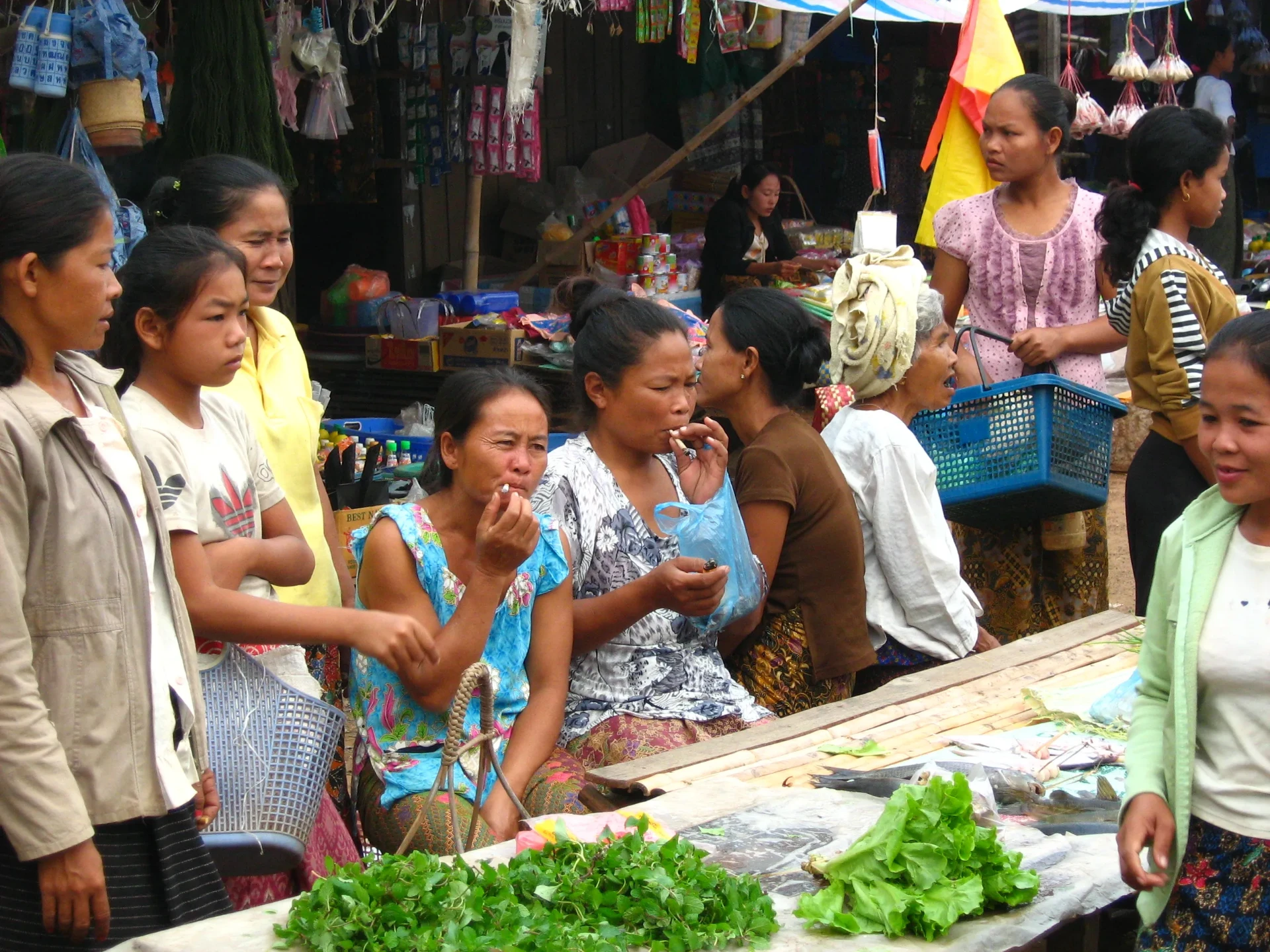
For many centuries, large Lao families have lived here from rice cultivation and fishing; until less than 30 years ago, trade was mainly conducted by barter. Buddhism is the predominant religion, yet belief in spirits remains deeply rooted to this day.
Don Det and Don Khon
The smaller, more original islands of Don Det and Don Khon can only be reached by boat and, until a few years ago, were still considered an insider tip among travellers.
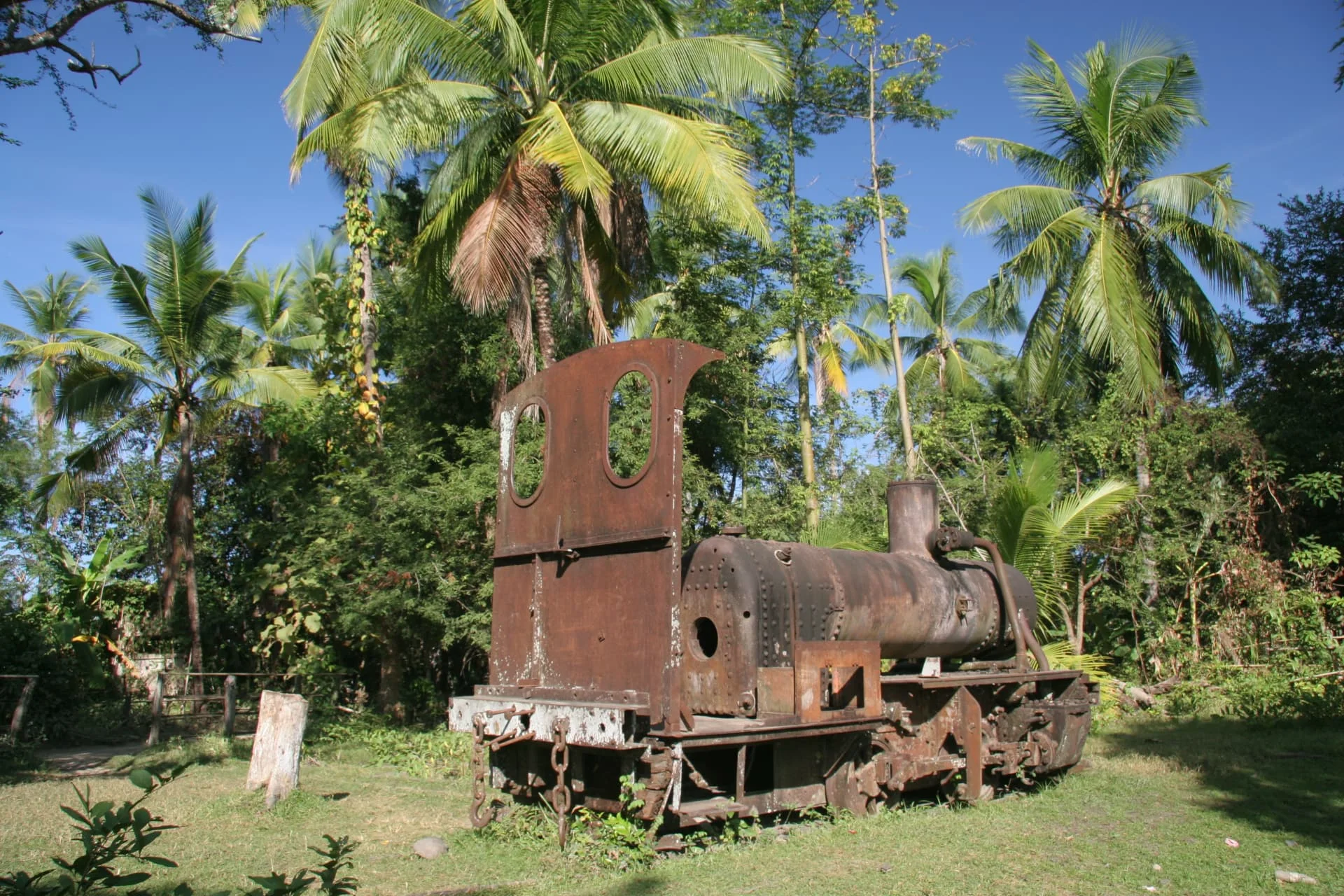
Because the Mekong is not navigable at this point, the French built a bridge, a narrow-gauge railway and loading ramps between Don Det and Don Khon in 1920 to transport their goods and bypass the Mekong rapids. Today the bridge, loading ramps, old locomotives and some building ruins can be visited as relics of the French colonial era.
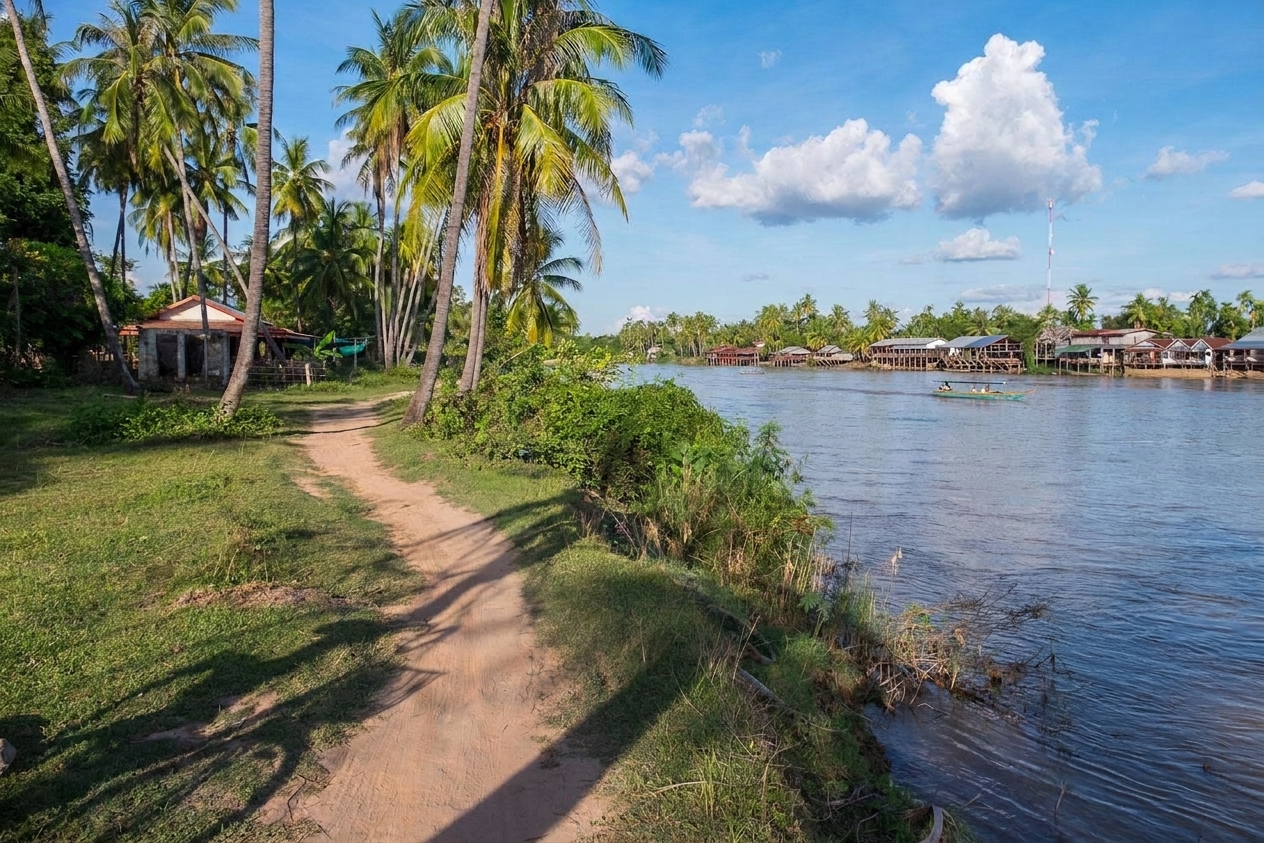
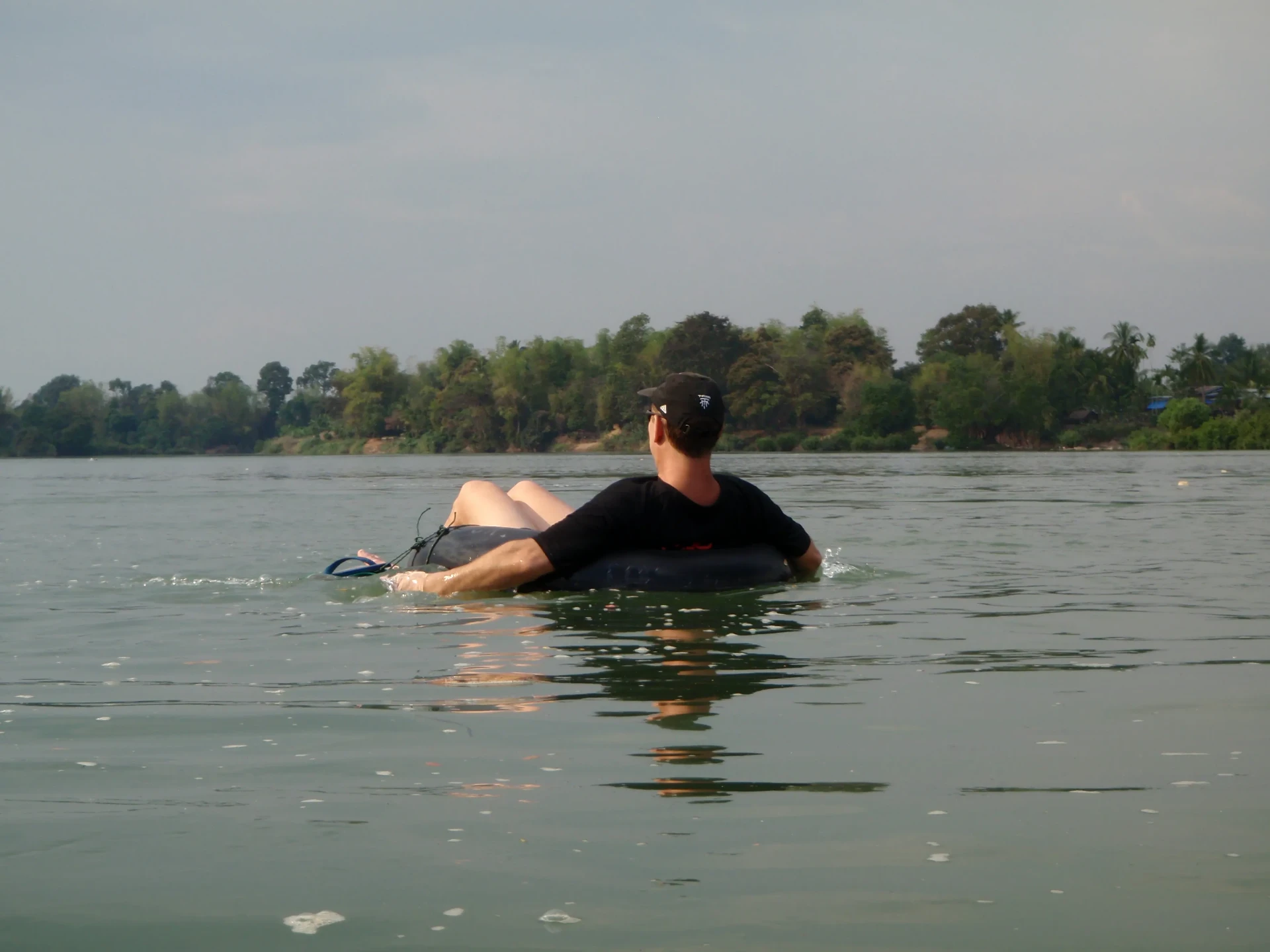
Depending on water level and season, the area invites you to bathe, swim, go tubing or kayaking, or fish. Walks or bike rides across the islands give you an authentic impression of the land and its people — or you simply lie in a hammock with a cool drink and let your gaze wander over the river. Most of the main paths are now paved with cement, which makes getting around considerably easier, especially in the rainy season.
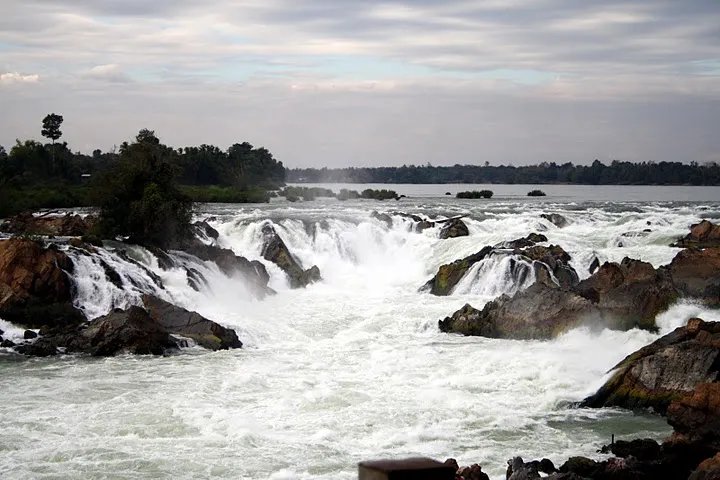
One of the most beautiful destinations is the Somphamit waterfall on Don Khon.
A note of our own: the Irrawaddy river dolphins, once seen in the border region between Laos and Cambodia, have sadly no longer been sighted here for some years — the next population now lives near Kratie in Cambodia.
There are now more than 80 guesthouses on Don Det and Don Khon, most with an attached restaurant — standards range from a simple wooden hut with a shared bathroom to modern hotels with air conditioning, fridge and pool. Since the end of 2009 the islands have been connected to the power grid; in high season this works well apart from occasional short outages, and in the rainy season heavy thunderstorms can sometimes leave things dark for a few hours.
If you are looking for parties and lively travel buzz, the north of the island (Ban Hua Det) is the place to be — there you will find the Sunset and Sunrise Boulevards with their numerous guesthouses, restaurants, bars and travel agencies. The further south you go, the quieter the island becomes — and that is exactly where we are, on the peaceful east bank in the south: away from the bustle, with our own jetty and an unobstructed view of the sunrise over the Mekong.
Part 2 · What you can do
Activities
If you are interested in any of the following activities, we are always happy to help with advice and support.
- Waterfalls Somphamit (Li Phi), Khone Pa Soy or Khone Phapheng: Experience Southeast Asia's mightiest waterfalls up close — roaring masses of water over rapids and rock terraces, framed by dense jungle green.
- Boat trips through the 4,000 Islands: Glide across the wide waterways of the Mekong, past countless small islands — especially impressive at sunset or sunrise over this unique river landscape.
- Swimming, bathing, fishing or simply relaxing in the hammock: And when the day has had enough adventure, only one thing awaits at our shore: doing nothing, watching the river and letting your soul unwind.
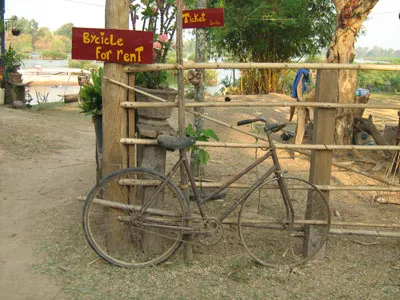
Tip: rent bicycles directly from us. We arrange tickets and transfers for all tours at reception.